
From requirements to evaluation
Make every part work together.
Mechanical design and CAD
Translate operating requirements into geometry, materials and interfaces. Discuss installation space, loads, component placement and access for servicing. CAD provides a shared basis for reviewing how parts fit together before committing to physical prototypes.
Prototype the important questions
Use prototypes to investigate fit, assembly and function. Identify which uncertainties need a physical test and what each prototype should demonstrate. For harsh-environment products, agree relevant exposure and sealing requirements instead of assuming a housing is suitable for every deployment.
Prepare for manufacture and handover
Design for manufacture considers the production process alongside the design itself. Review tolerances, assembly steps, inspection and access to replaceable parts. Agree the drawings, design files and documentation your team needs to take the product into its next stage.
Applied expertise
An integrated sensing product
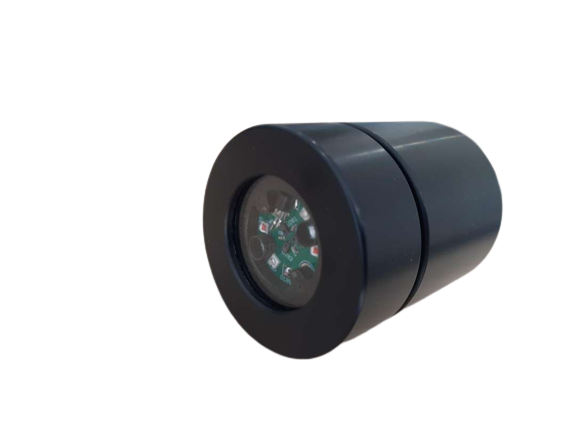
The algae sensor provides a concrete starting point for discussing optical access, enclosure design and electronic integration. The appropriate materials, installation and validation requirements depend on the intended environment.
Discuss product development with Tech